My screenings
La Gloire de mon père
By Adrien Barry ·
In short: La Gloire de mon père (My Father’s Glory, 1990) is Yves Robert’s adaptation of Marcel Pagnol’s childhood memories, shot together with its sequel Le Château de ma mère. The article revisits it as a childhood memory: the voice of Jean-Pierre Darras, Vladimir Cosma’s score, the hills near Marseille and a childhood preserved sous cloche.
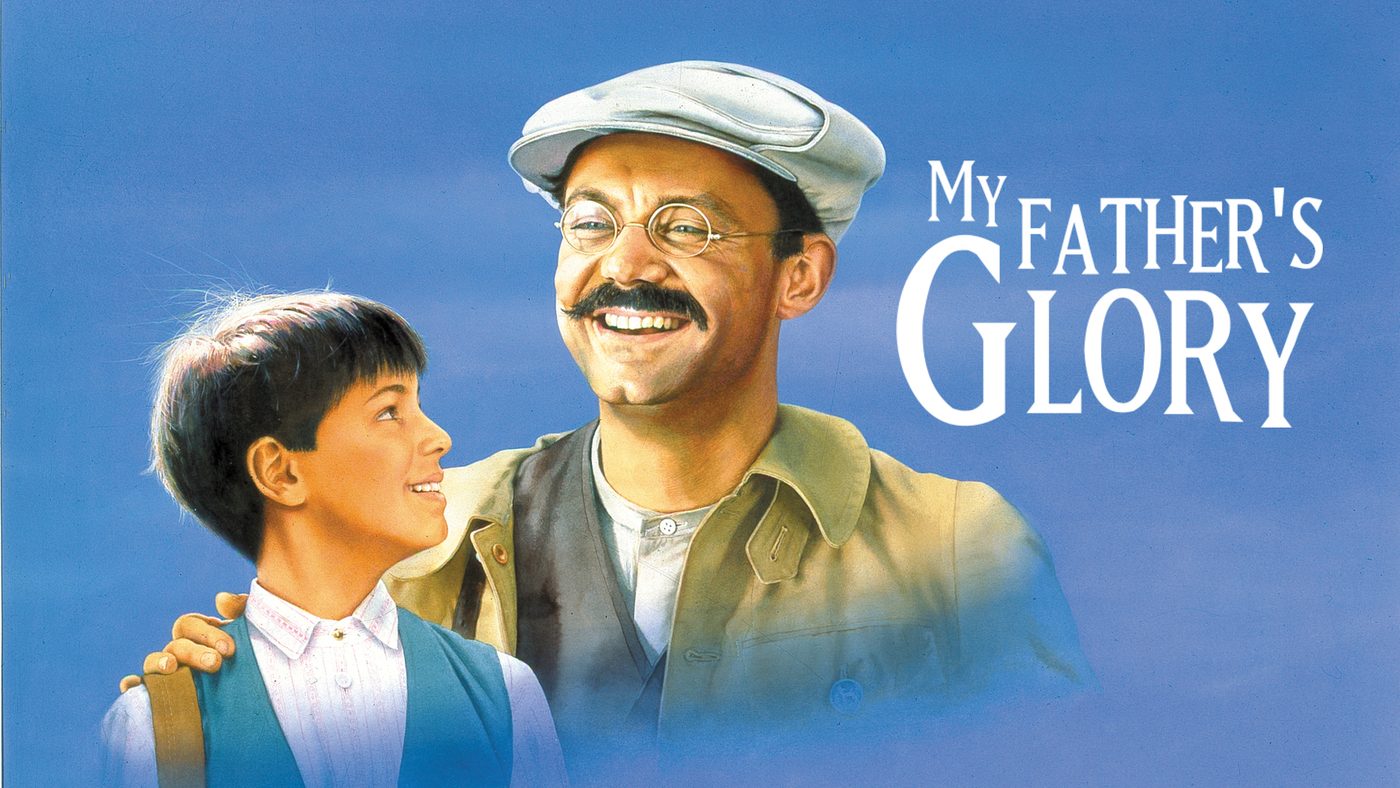
Try to picture this: you are a young French boy, it is a Saturday afternoon in the south of France, and your parents recorded for you on TF1 (the equivalent of ABC) the Tuesday night movie La Gloire de mon père. It is Saturday and, strangely, your folks decided to sit and watch it with you. The movie opens with the sound of cicadas followed immediately by the enchanting composition of Vladimir Cosma. It feels organic, childish in a good sense, connecting you to memories of your childhood. But the real treat is just a few seconds away. The movie starts with a sweeping aerial shot gliding over the sun-drenched limestone hills and rocky terrain of the majestic Garlaban massif under a sky so clear it almost looks white. Then finally, the slow and warm voice of Jean-Pierre Darras starts:
« Je suis né dans la ville d’Aubagne, sous le Garlaban couronné de chèvres, au temps des derniers chevriers. » Translated into English: “I was born in the town of Aubagne, beneath the goat-crowned peaks of the Garlaban, in the era of the last goatherds.”
The Voice and the Magic of Marcel Pagnol’s Childhood
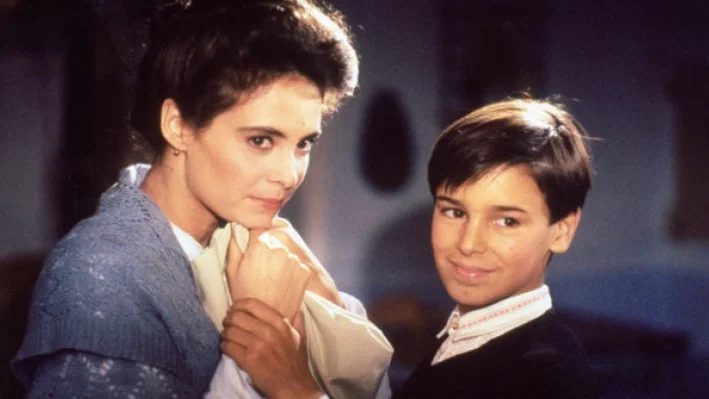
Describing his voice is nearly impossible. Darras isn’t just reciting text—his tender, elderly voice sounds like a relative telling you a story from his childhood. From this moment, we follow the childhood of young Marcel Pagnol, growing up in the early years of the 20th century. We watch him grow surrounded by characters that felt like family to us. His father, Joseph, the all-knowing teacher with sparks in his eyes whenever it comes to his son. His mother Augustine, frailty and tenderness embodied in one person. You can feel the love that Pagnol had for his mother in one of the first lines of the movie: « L’âge d’Augustine, c’était le mien, parce que ma mère, c’était moi, et je pensais, dans mon enfance, que nous étions nés le même jour. » “Augustine’s age was mine, because my mother was me, and when I was a child, I thought we were born on the same day.”
Discovering the Hills and the Warmth of Provence
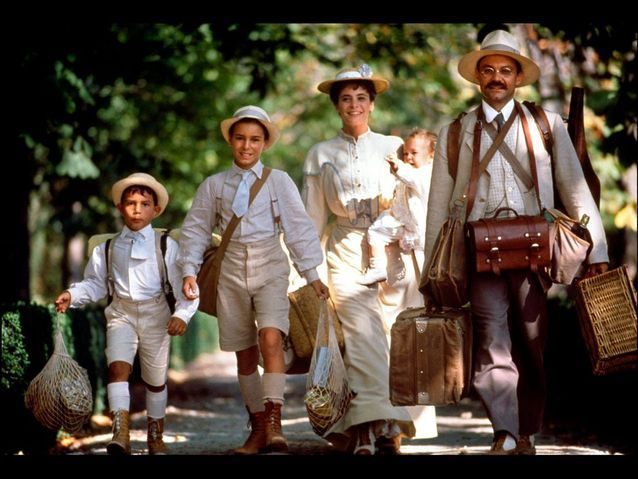
If anything, love is at the center of this film. Marcel’s world suddenly gets bigger when his father decides to rent a vacation house for the summer in the remote village of La Treille in the hills near Marseille. It is there that Marcel discovers the wilderness of the countryside and falls in love with “his” hills.
The whole movie feels organic; Yves Robert captures the sunlight of Provence like no one else, and we could have watched the movie in the middle of winter and still felt the warmth of the rocky garrigue punctuated by the song of the cicadas. The accents are not forced; every time young Marcel says “Maman” or “Papa,” the actors’ regional accents carry an affection so genuine you can almost feel it in the room. There is a real tenderness, hinting at the passage of time instead of showing it, celebrating those precious childhood memories. The sequel Le Château de ma mère hit me differently, with the harsh reality of life which makes it hard to revisit without shedding a tear.
A Time Machine Preserved Sous Cloche
La Gloire de mon père is not just a masterpiece; it is a time machine, a love letter to his parents that resonates with me as an adult. When I was little, I used to love the adventure, the humor, and the freedom of summer that was ingrained in every frame. Now as an adult, I revisit it with nostalgia, understanding what Marcel Pagnol achieved—putting his memories sous cloche, as we say, preserving them for everyone to see, and making the love that he felt eternal.
Trivia and Anecdotes
The “Did you know?” section: The two films were shot together. Director Yves Robert filmed My Father’s Glory and its sequel, My Mother’s Castle, during the same production. The sequel was released later, on October 26, 1990.
The “I have not seen the movie but I am going to pretend to” anecdote: The story’s famous “king’s shot” is central to the title. In Gaumont’s synopsis, Marcel is proud when his father, Joseph, makes an impressive shot and kills two “royal partridges” during the family holiday.
The famous quote to (not) impress your friends at dinner: “Je sentis naître un amour qui devait durer toute ma vie.” (“I felt a love begin that would last all my life.”)
La Gloire de mon père at a Glance
- Original title: La Gloire de mon père
- English title: My Father’s Glory
- Year: 1990
- Director: Yves Robert
- Producer: Alain Poiré
- Based on: Souvenirs d’enfance by Marcel Pagnol (first volume, published in 1957)
- Cast: Philippe Caubère (Joseph), Nathalie Roussel (Augustine), Julien Ciamaca (young Marcel), Thérèse Liotard (Aunt Rose)
- Narrator: Jean-Pierre Darras
- Music: Vladimir Cosma
- Sequel: Le Château de ma mère (My Mother’s Castle), shot during the same production
- Setting: Aubagne, La Treille and the Garlaban hills near Marseille
Frequently asked questions
What is La Gloire de mon père (My Father’s Glory) about?
Set in the early 20th century, it follows young Marcel Pagnol, his teacher father Joseph and his mother Augustine. When the family rents a summer house in the village of La Treille, in the hills near Marseille, Marcel discovers the countryside and falls in love with “his” hills.
Who directed La Gloire de mon père and who is in it?
Yves Robert directed it in 1990. Philippe Caubère plays Joseph, Nathalie Roussel plays Augustine and Julien Ciamaca plays young Marcel, with Jean-Pierre Darras as the narrator. The music is by Vladimir Cosma.
Is La Gloire de mon père based on a book?
Yes. It is adapted from Marcel Pagnol’s autobiographical childhood memoirs, Souvenirs d’enfance, whose first volume, La Gloire de mon père, was published in 1957.
Is there a sequel to La Gloire de mon père?
Yes, Le Château de ma mère (My Mother’s Castle), also directed by Yves Robert and shot during the same production.
How does La Gloire de mon père begin?
With the sound of cicadas, Vladimir Cosma’s music and a sweeping aerial shot over the Garlaban massif, then the voice of Jean-Pierre Darras: « Je suis né dans la ville d’Aubagne, sous le Garlaban couronné de chèvres, au temps des derniers chevriers. » (“I was born in the town of Aubagne, beneath the goat-crowned peaks of the Garlaban, in the era of the last goatherds.”)